Backyard Wildlife Pond
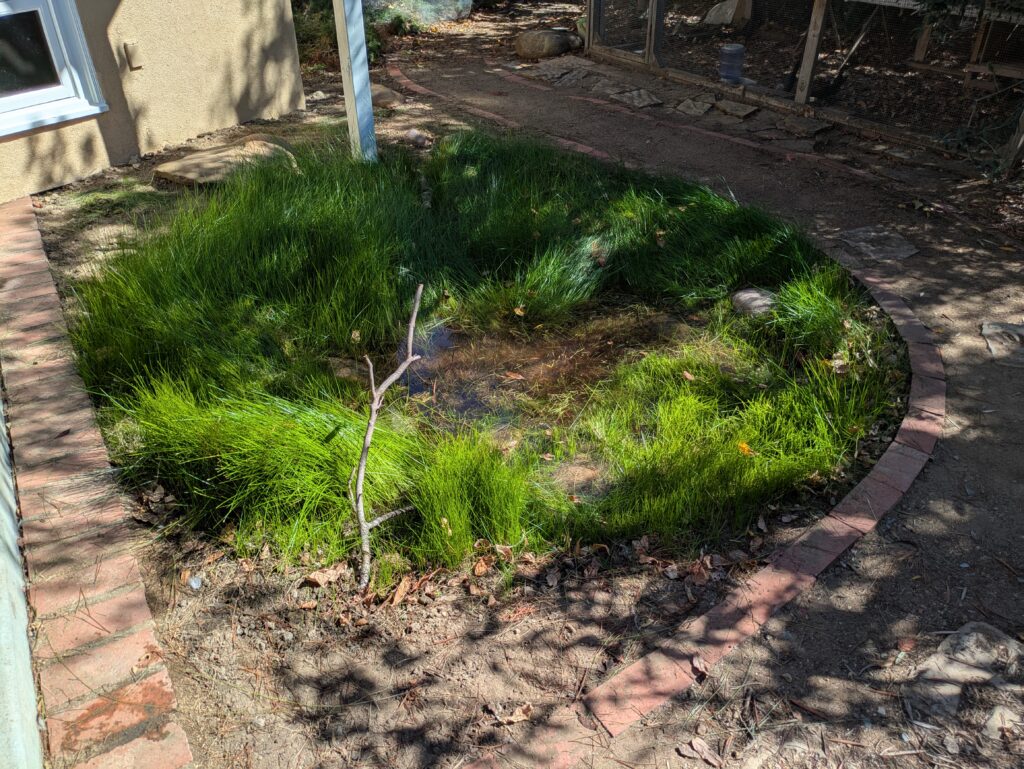
The backyard wildlife pond is a man-made naturalistic pond that is designed to support various species of wildlife.
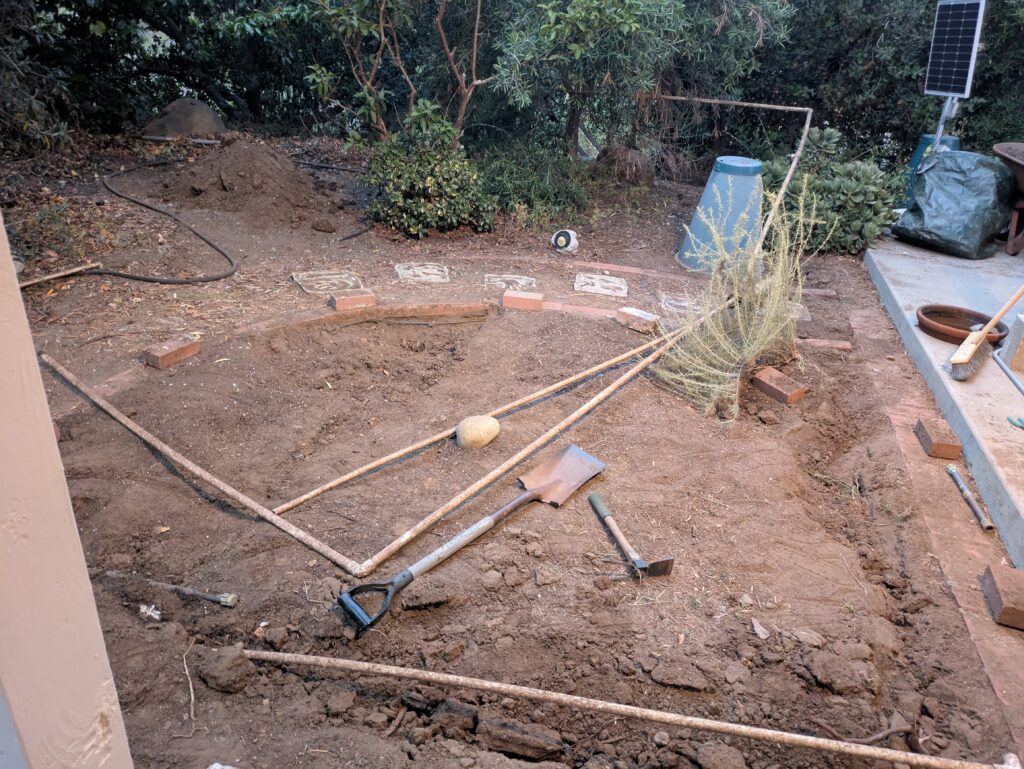
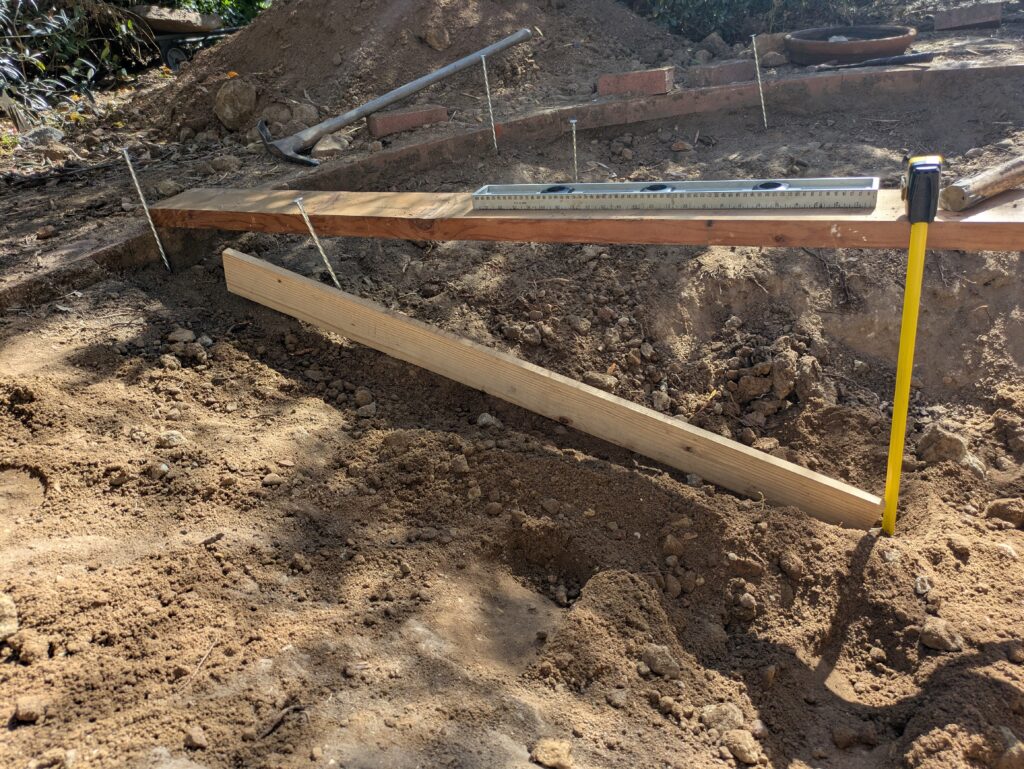
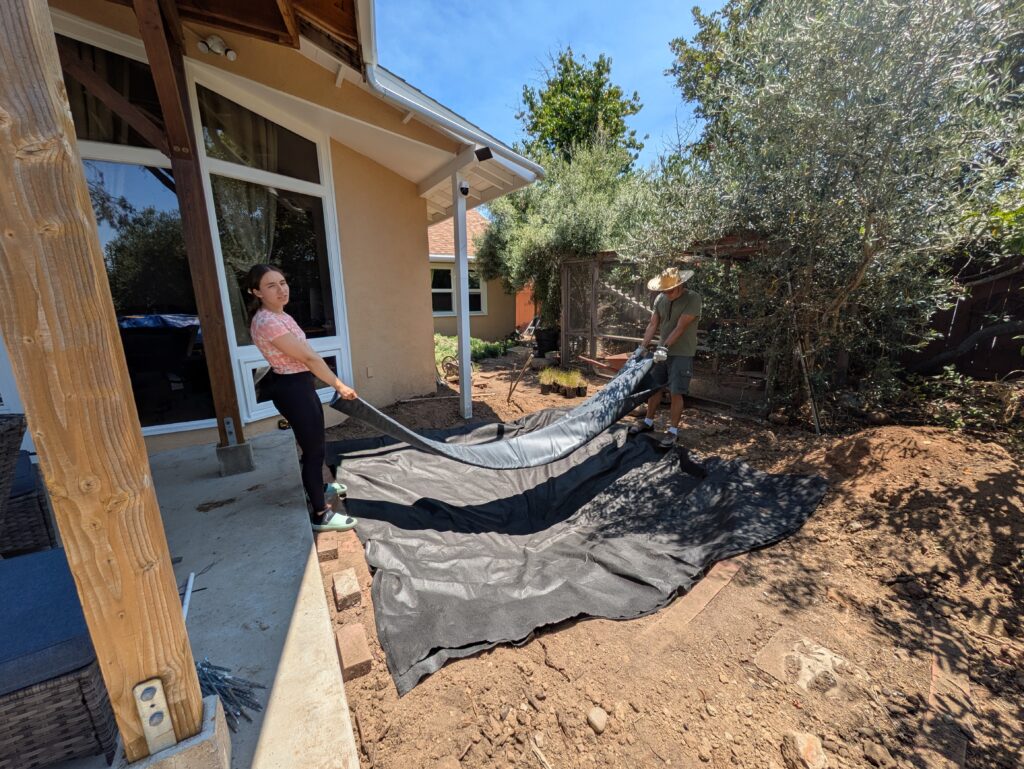
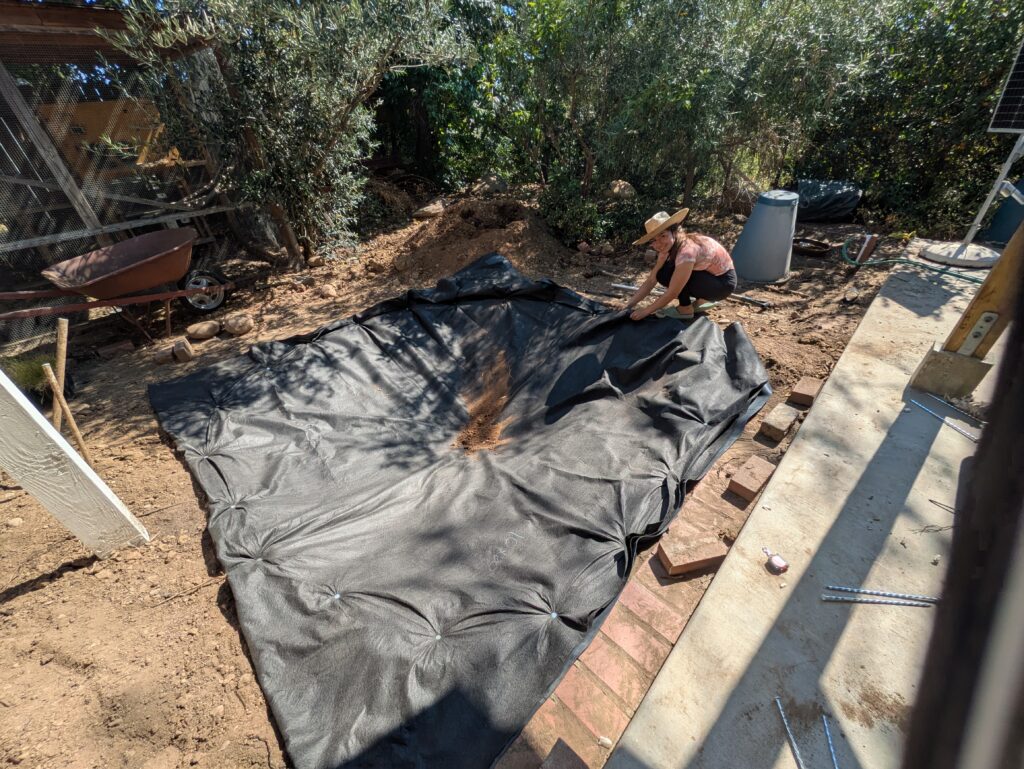
In June 2026, Ria spent 2 weeks constructing the pond. The pond was designed with the help of Tom Biebighauser at Wetland Restoration and Training. If you are interested in building your own wildlife pond, check out his free YouTube Course. The video below shows how the wetland was built.
Materials:
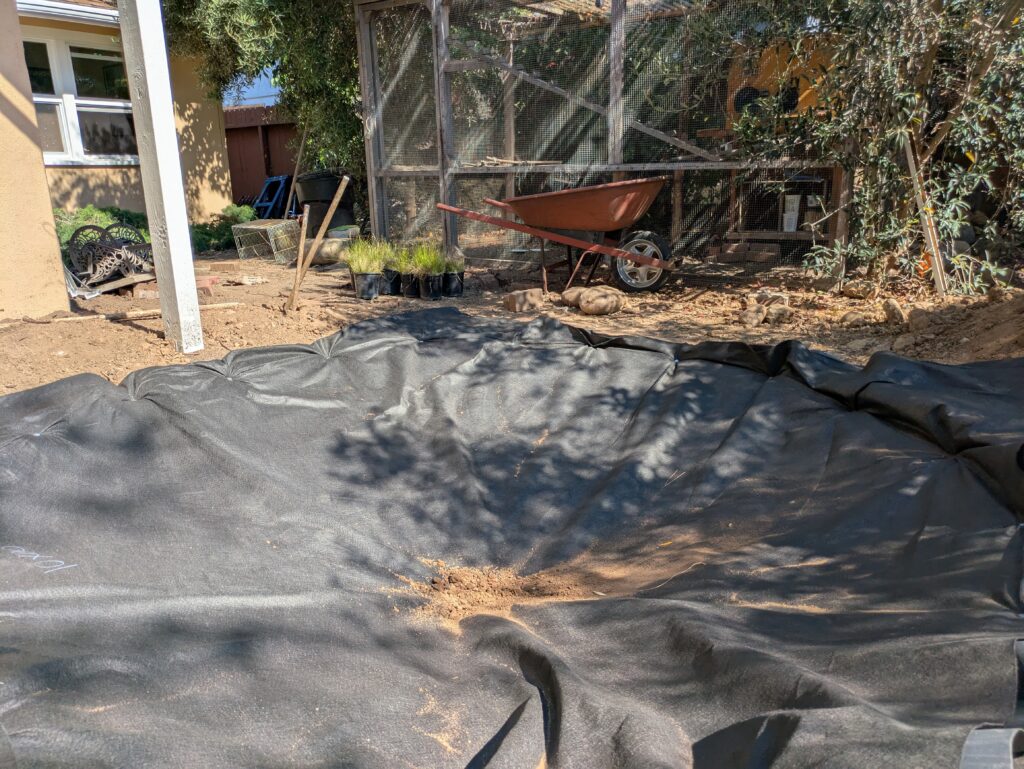
- $35.10 x2 – Geotextile Underlayment – 10 ft. x 10 ft.
- $100.00 – 10 x 10 Pond Liner Firestone PondGard 45 Mil Fish Safe
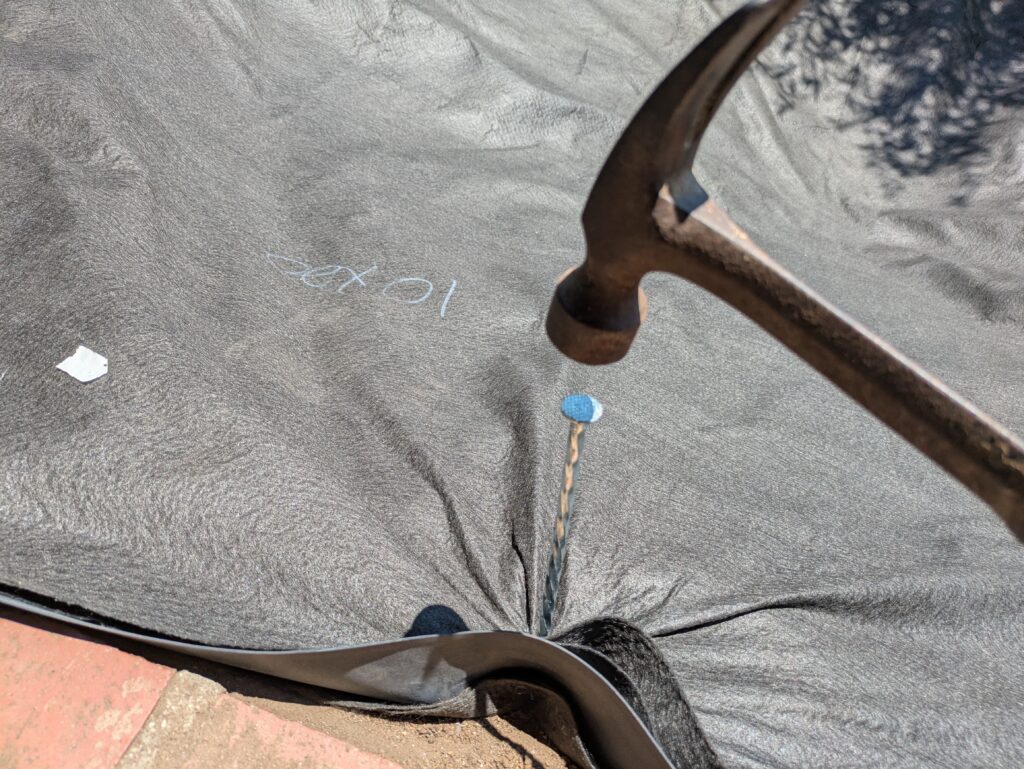
- $29.49 – 12 Inch Galvanized Landscape Stakes
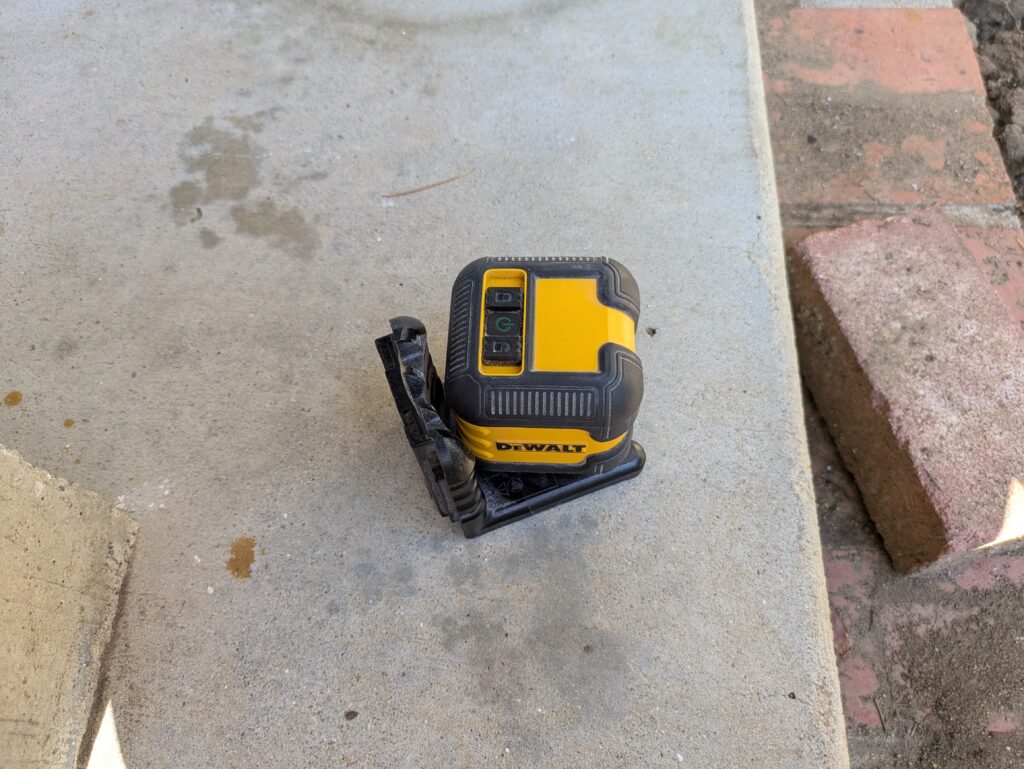
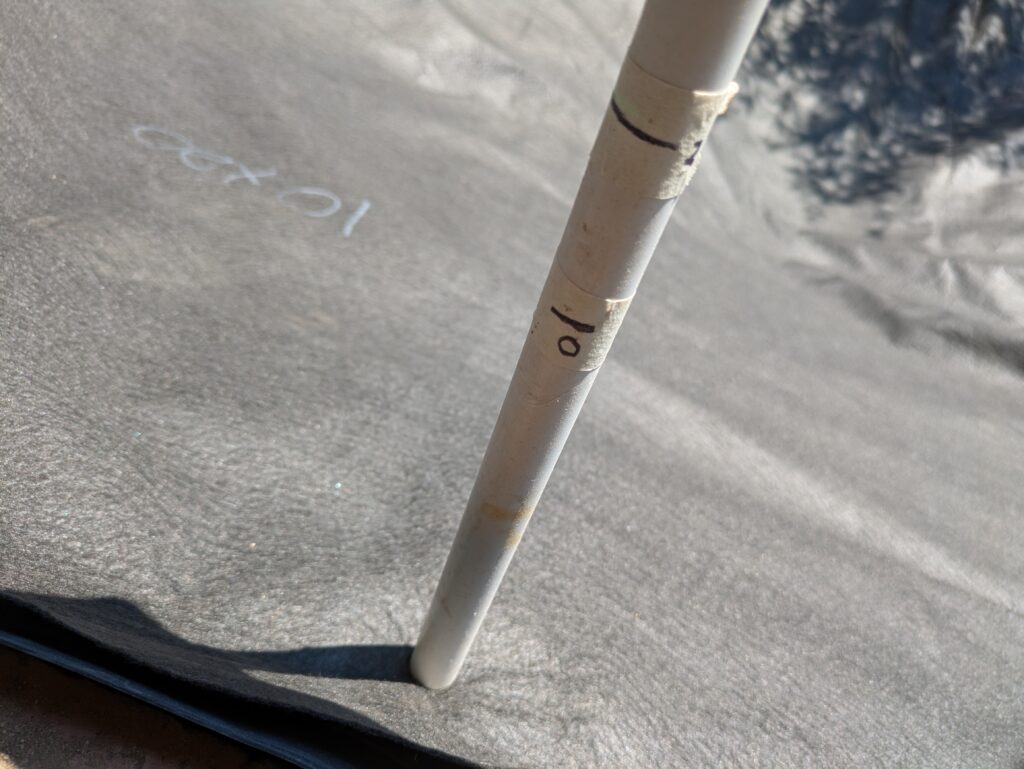
- Additional: Indoor Laser Level, Scrap PVC Pipe, Shovel, Pick Axe, Scissors
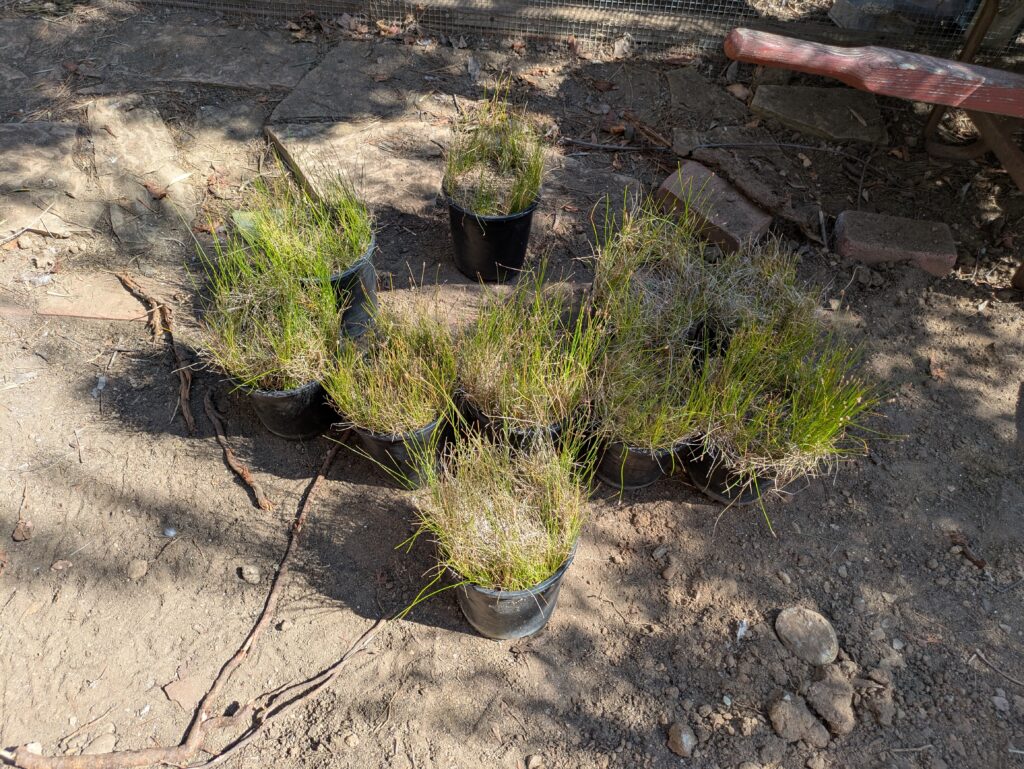
- $12.00 x10 – 1 gal Eleocharis montevidensis (Note: 3-4 plants is sufficient)
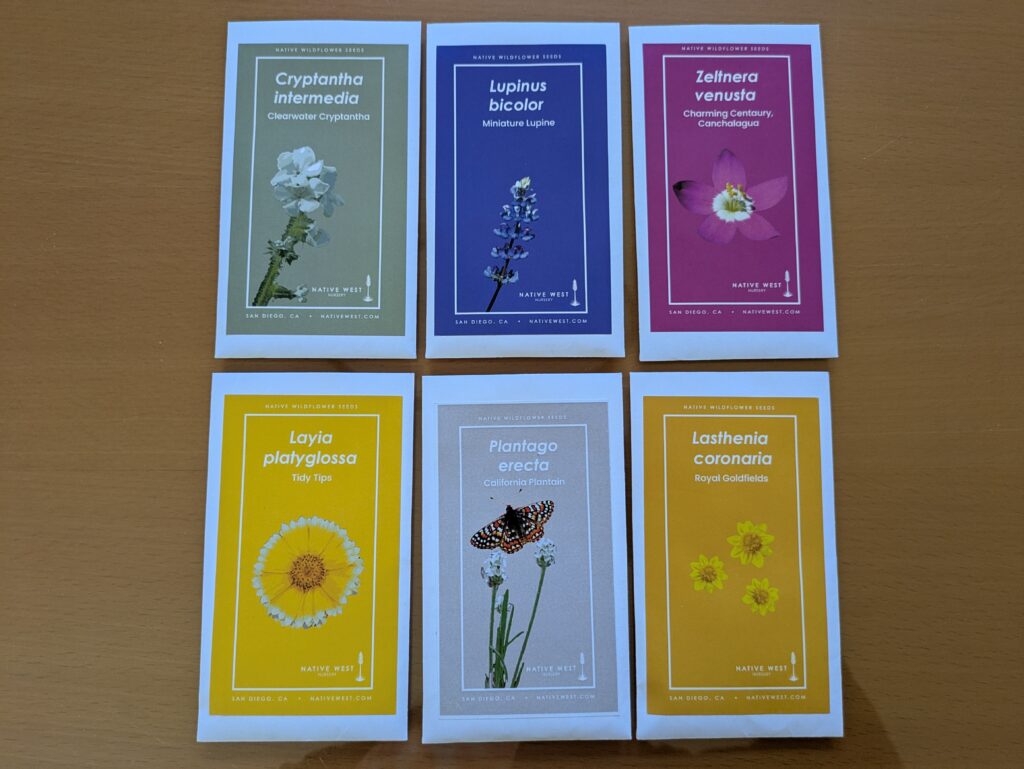
- $5.00 x6 – Seed Packets (Zeltnera venusta, Lasthenia coronaria, Lupinus bicolor, Plantago erecta, Cryptantha intermedia, Layia platyglossa)
Total Cost: About $350
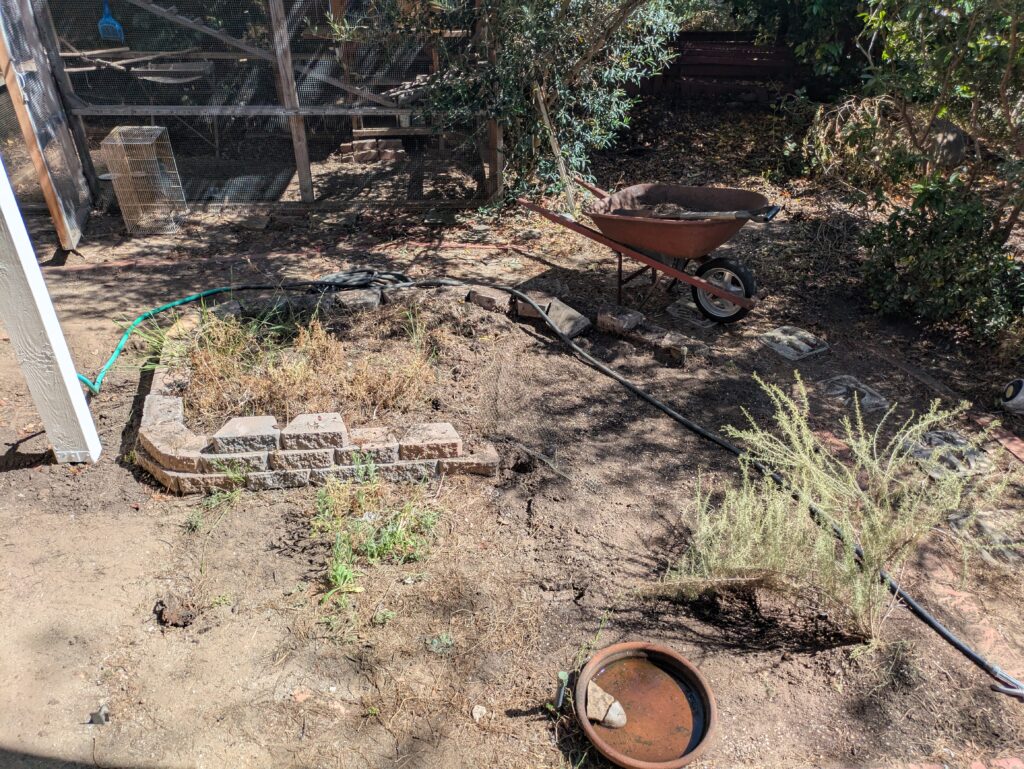
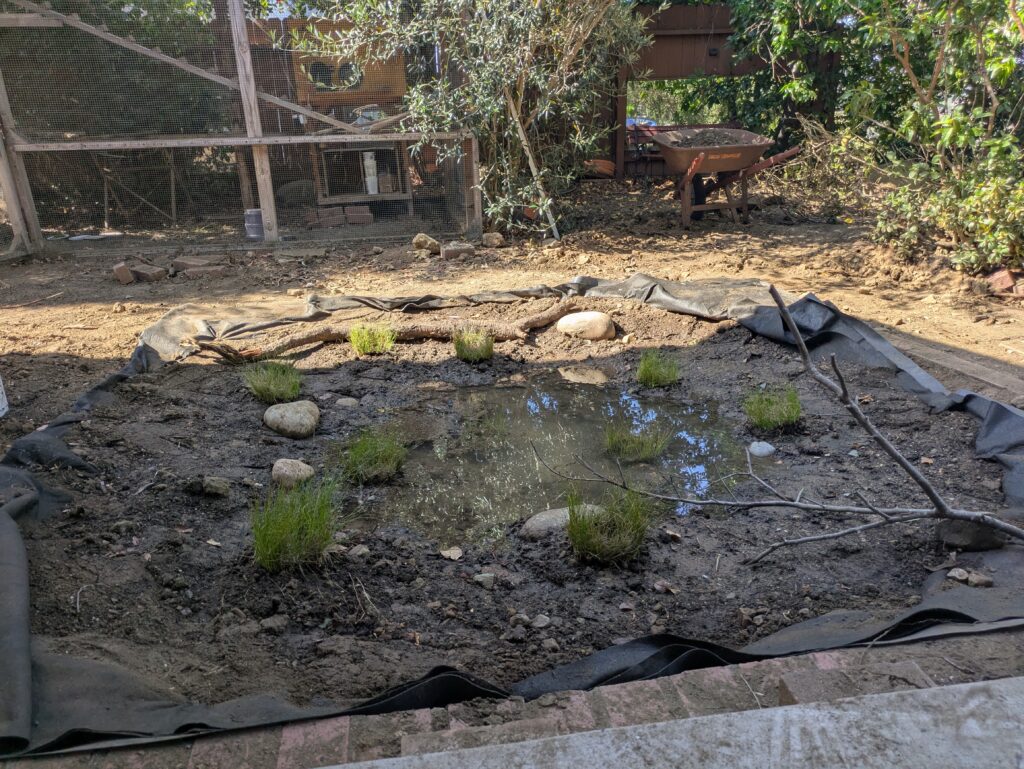
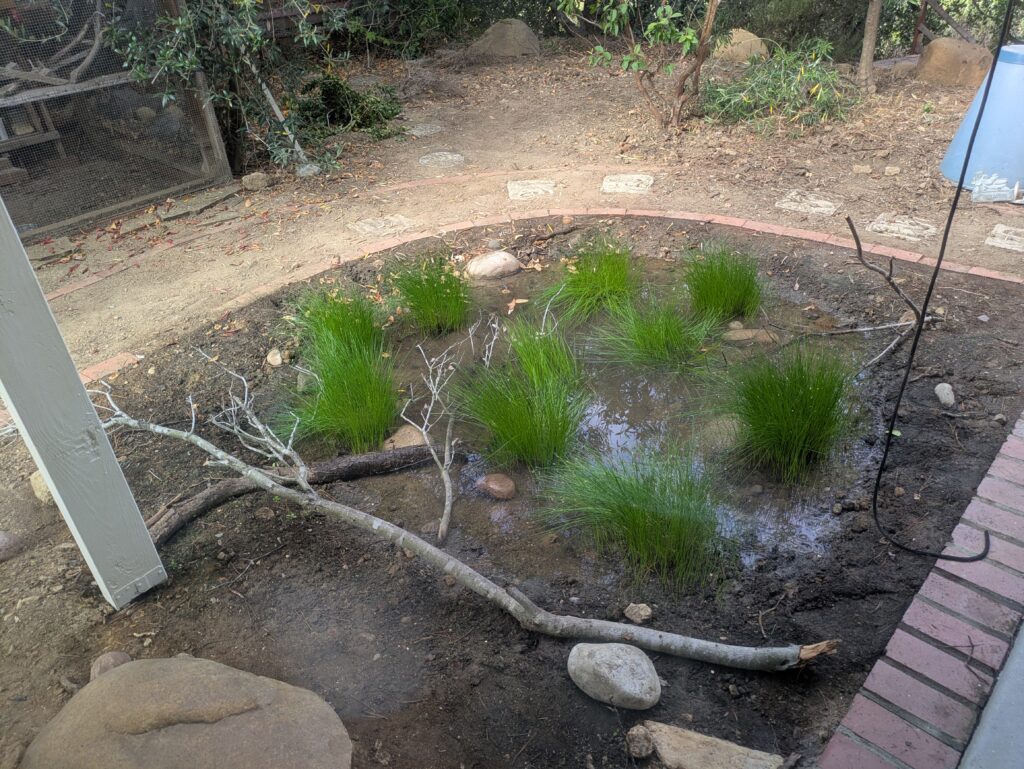
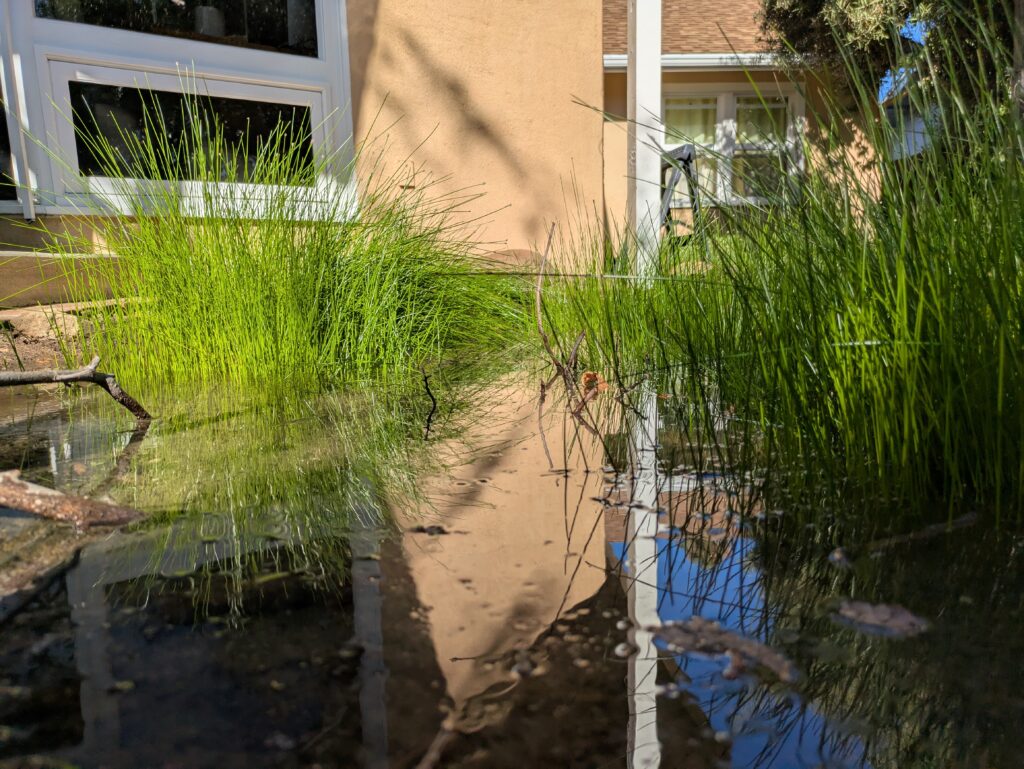
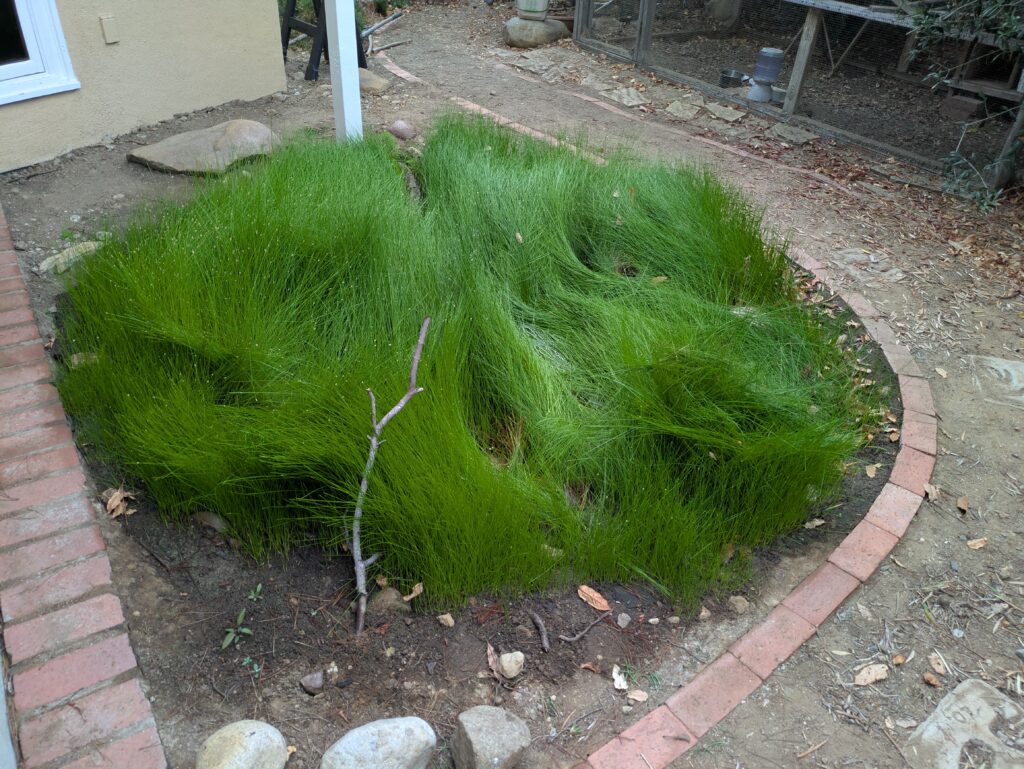
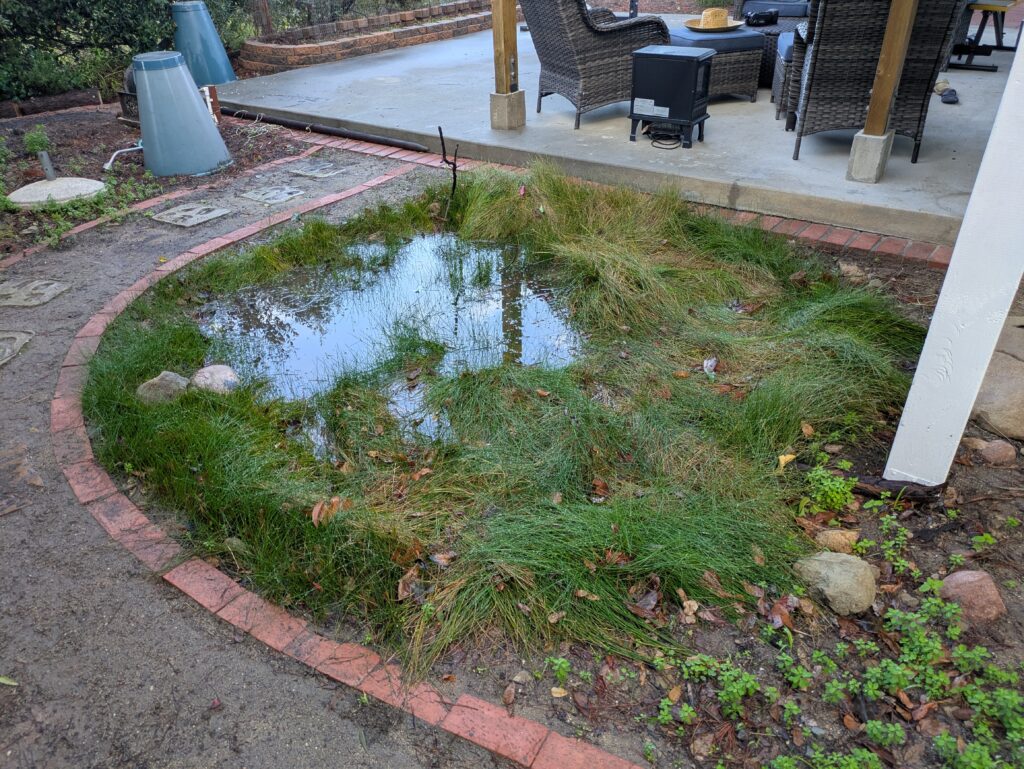
What makes this pond special?
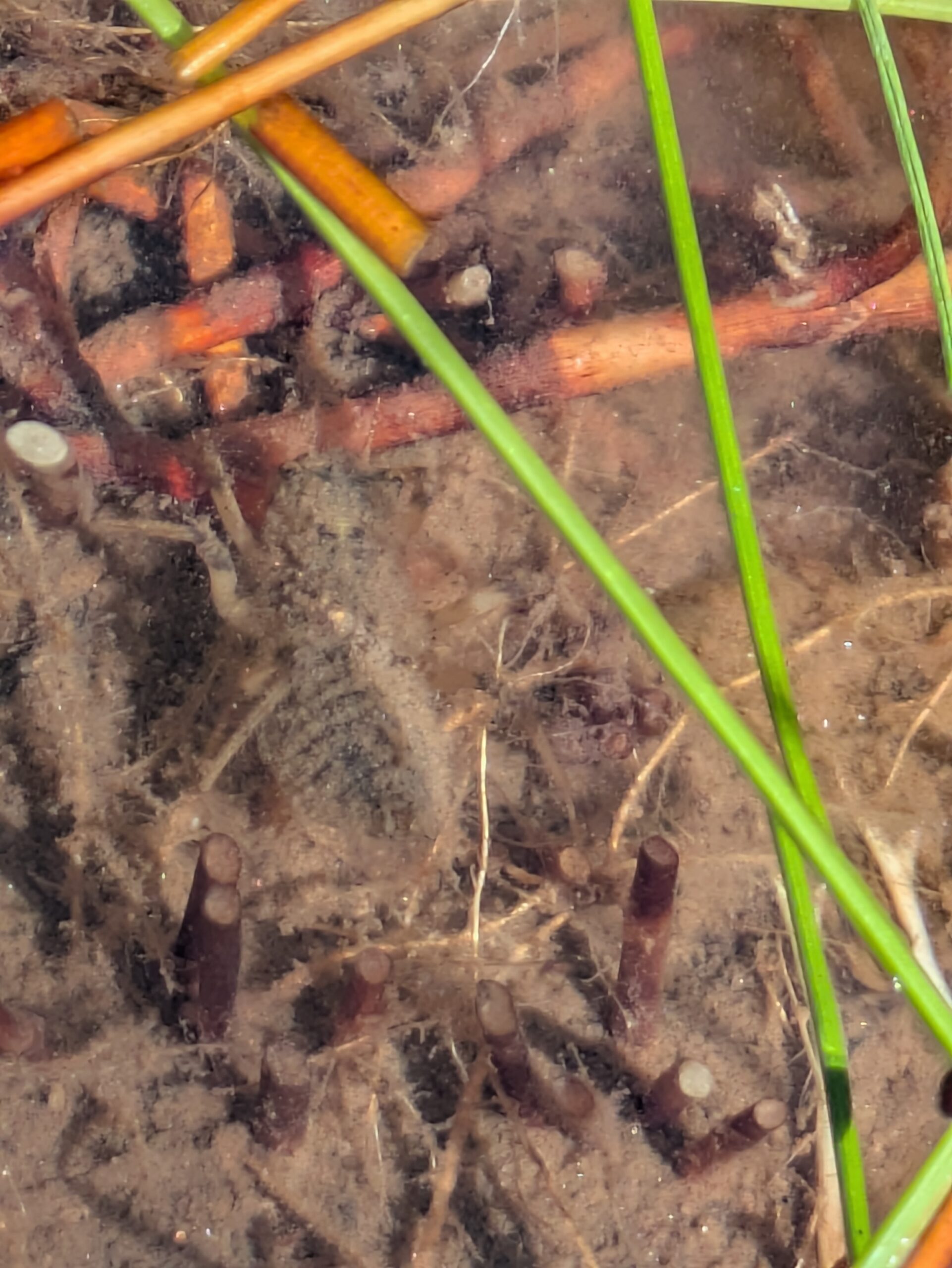
This wildlife pond requires little to no maintenance. It was designed as a vernal pool wetland, so the plants can survive the summer without additional watering. The pond does not contain fish and is completely self sustainable. The plants act as natural water filters: NO PUMPS OR FILTERS REQUIRED! The durable 45mil fish grade liner is protected by geotextile fabric on both sides, ensuring it will not be damaged for many years to come. The pond is filled with a 2-6 inch layer of soil that creates a natural appearance and protects the liners from the sun. You can easily plant directly in the pond. The gradual slopes prevent erosion and allow wildlife easy access to the pond. The 9ft x 9ft circular design also maximizes the use of the 10ft x 10ft pond liner: only the corners had to be trimmed off.
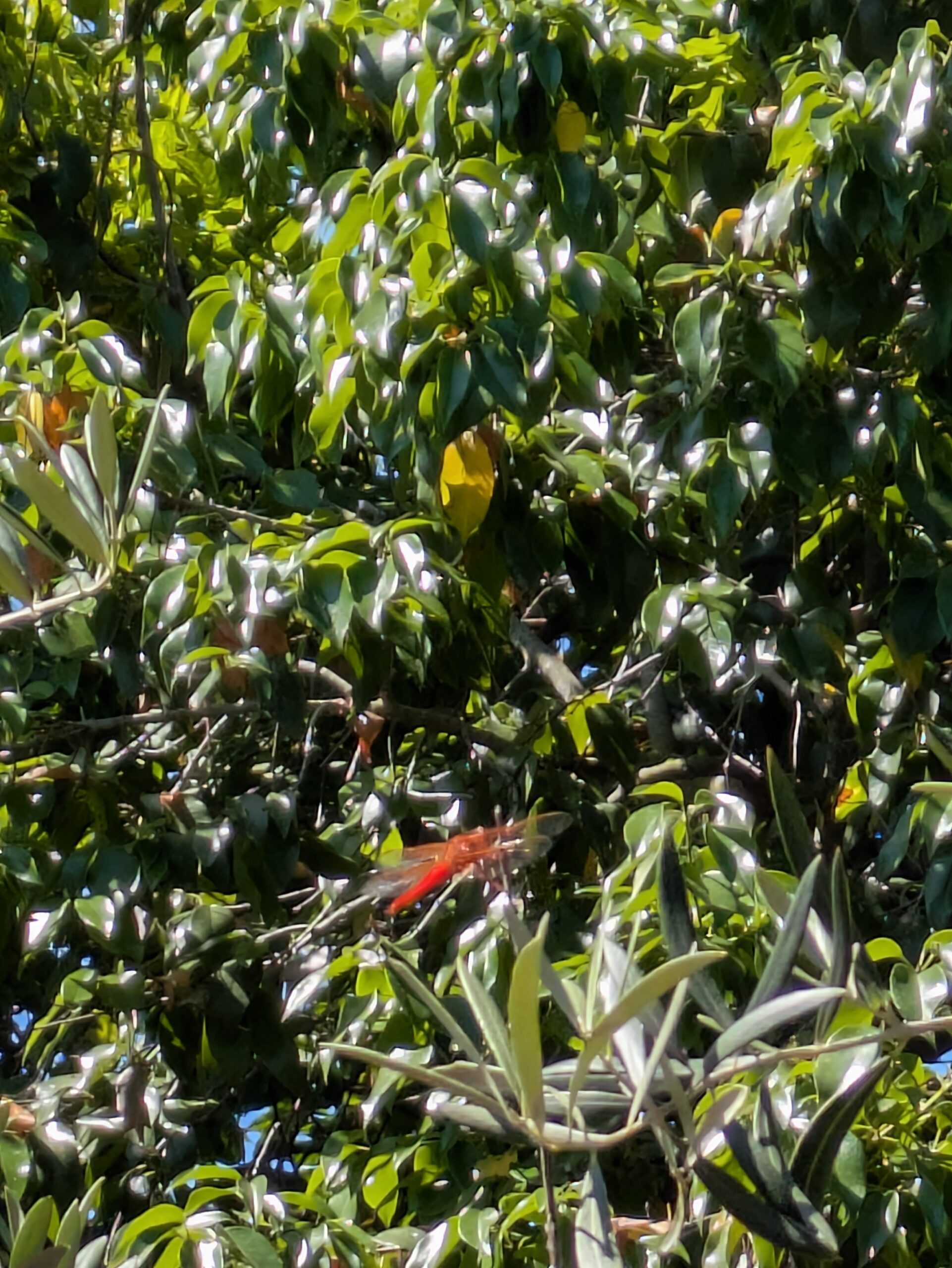
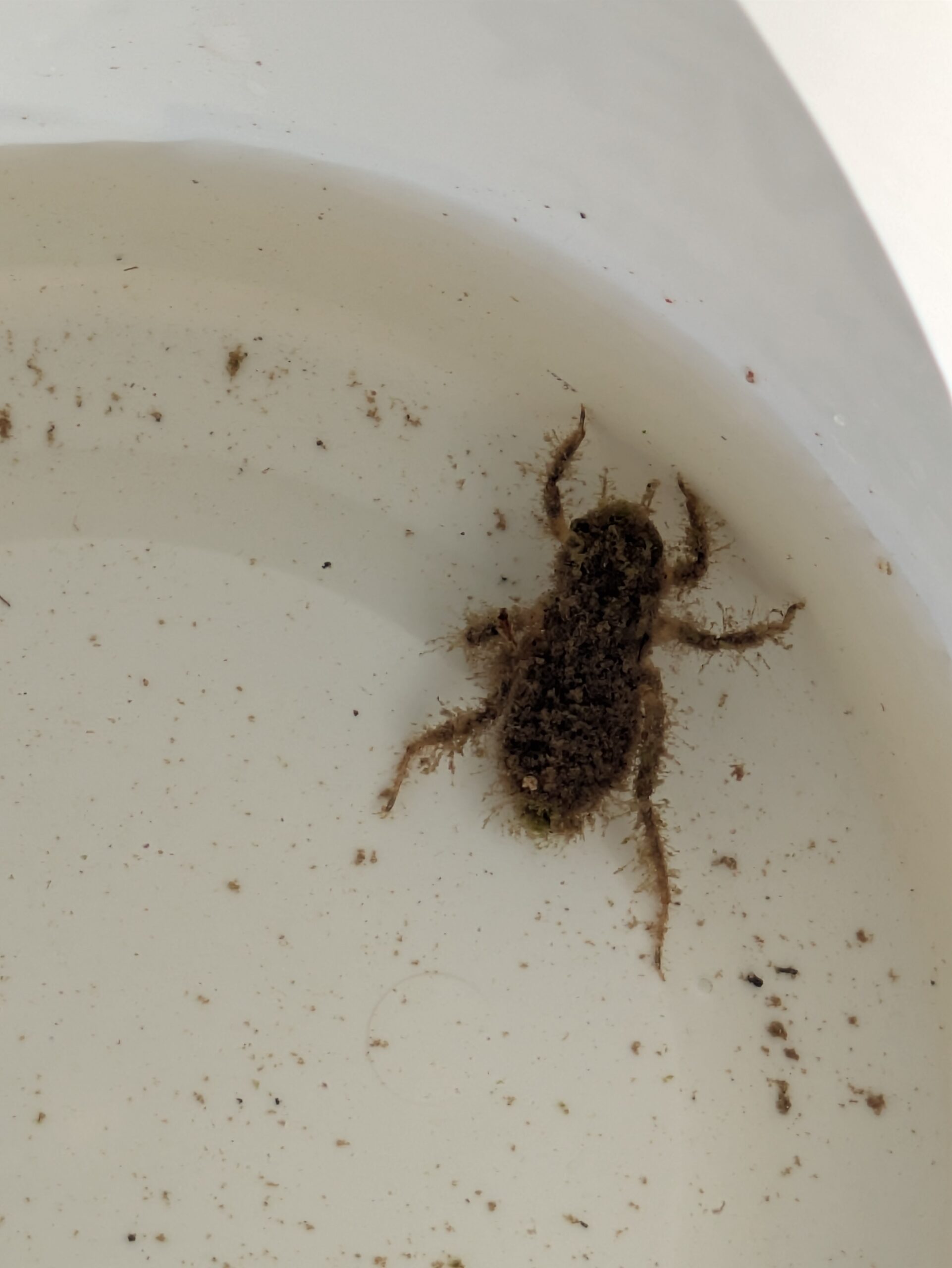
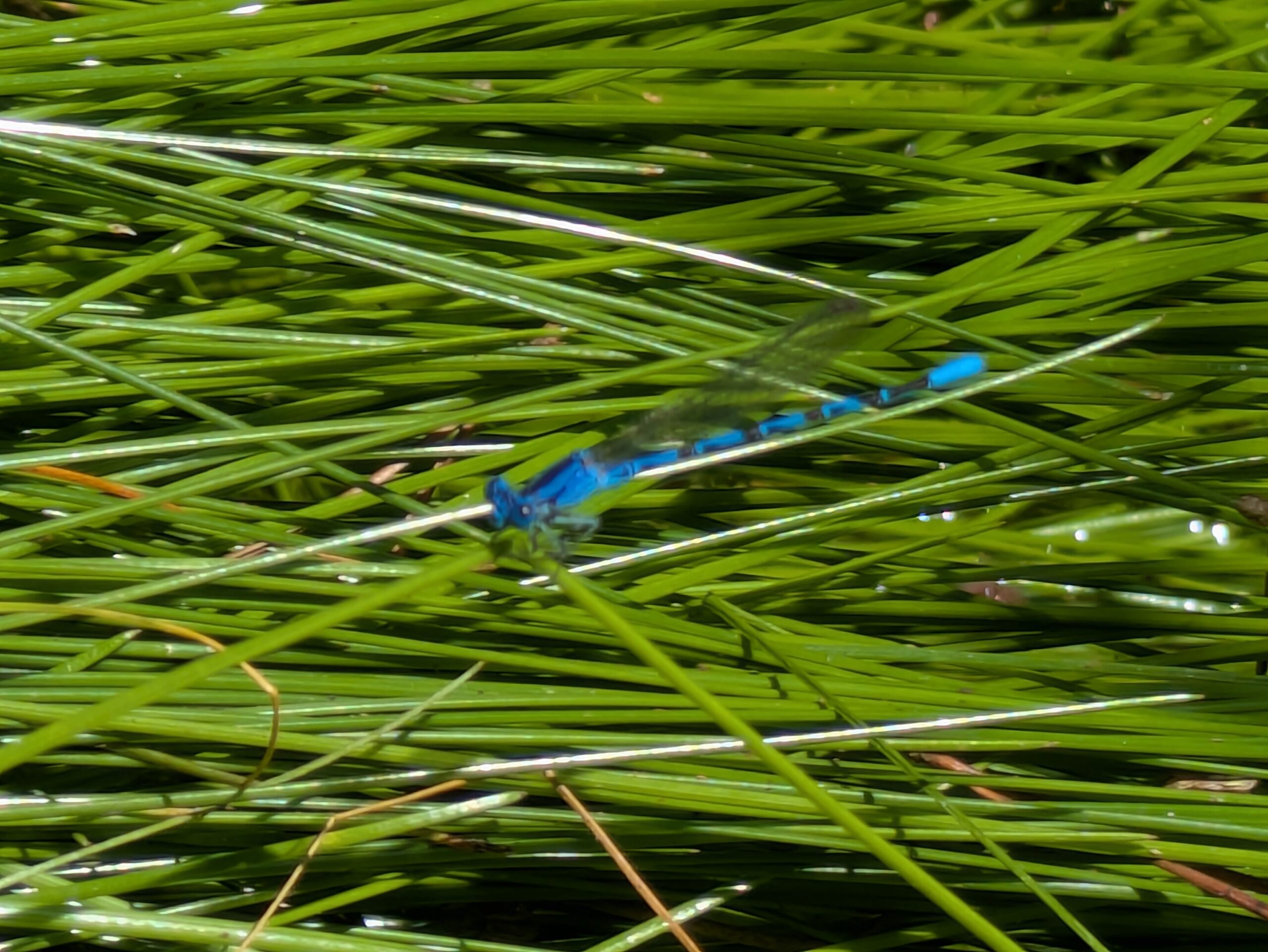
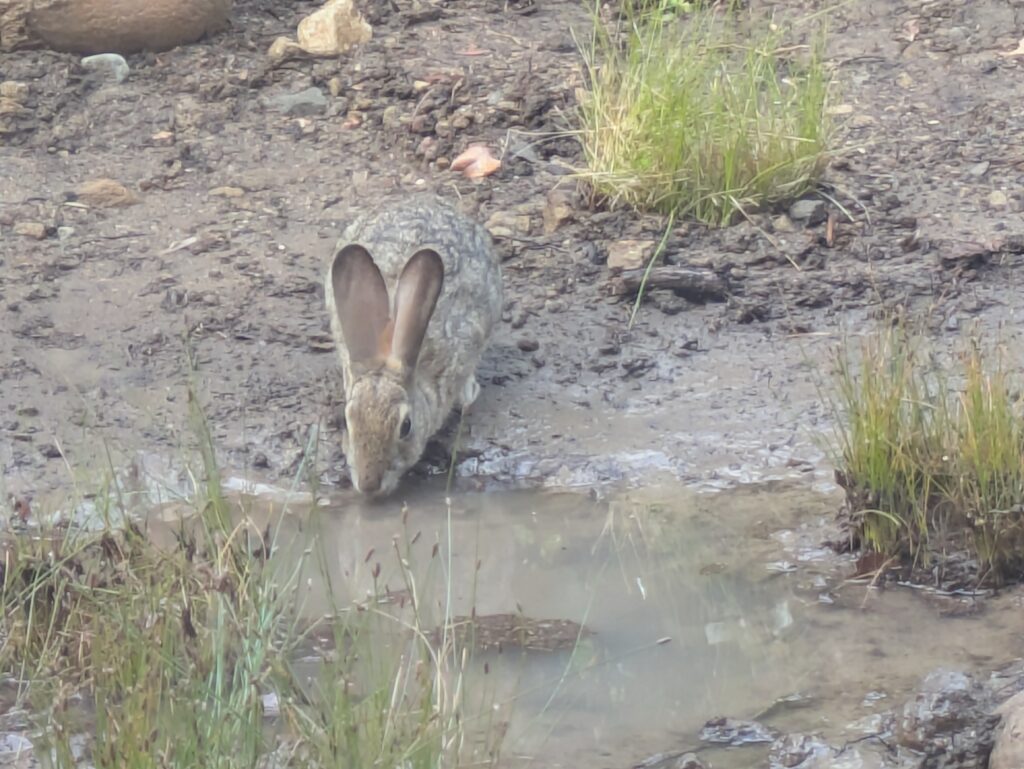
The pond never suffered from algae blooms, and the water remained clear (unless the raccoons came for a quick visit). Mosquitoes were the first species to visit due to the stagnant water, but it was not long before dragonflies laid their eggs. The dragonfly nymphs naturally decreased the mosquito population, and now the surviving mosquitoes are few. There have always been mosquitoes on the property, and despite an initial population spike in the first month, fewer mosquitoes appeared after the pond was established. Because this pond creates a complete ecosystem, it effectively controls mosquito populations, so mosquitoes are not a concern.
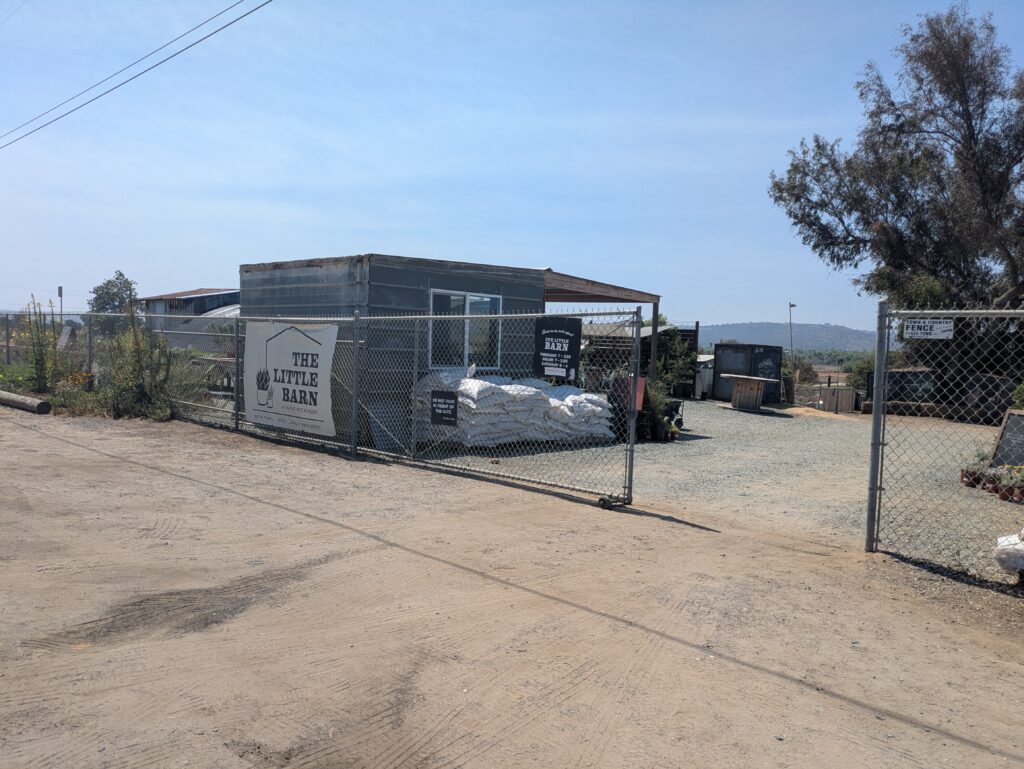
A small wetland DIY project like this may cost under $300. If your soil is high in clay, there are techniques that can be used to build your pond for even less, without the use of a liner or geotextile fabrics. Tom Biebighauser’s techniques were instrumental to the creation of this wildlife habitat. If you are interested in building your own natural wetland pond of any size, we highly recommend watching his FREE YouTube Course. Make sure to contact your local native plant nursery to see if they have any aquatic, or semi-aquatic natives, to use for your pond.
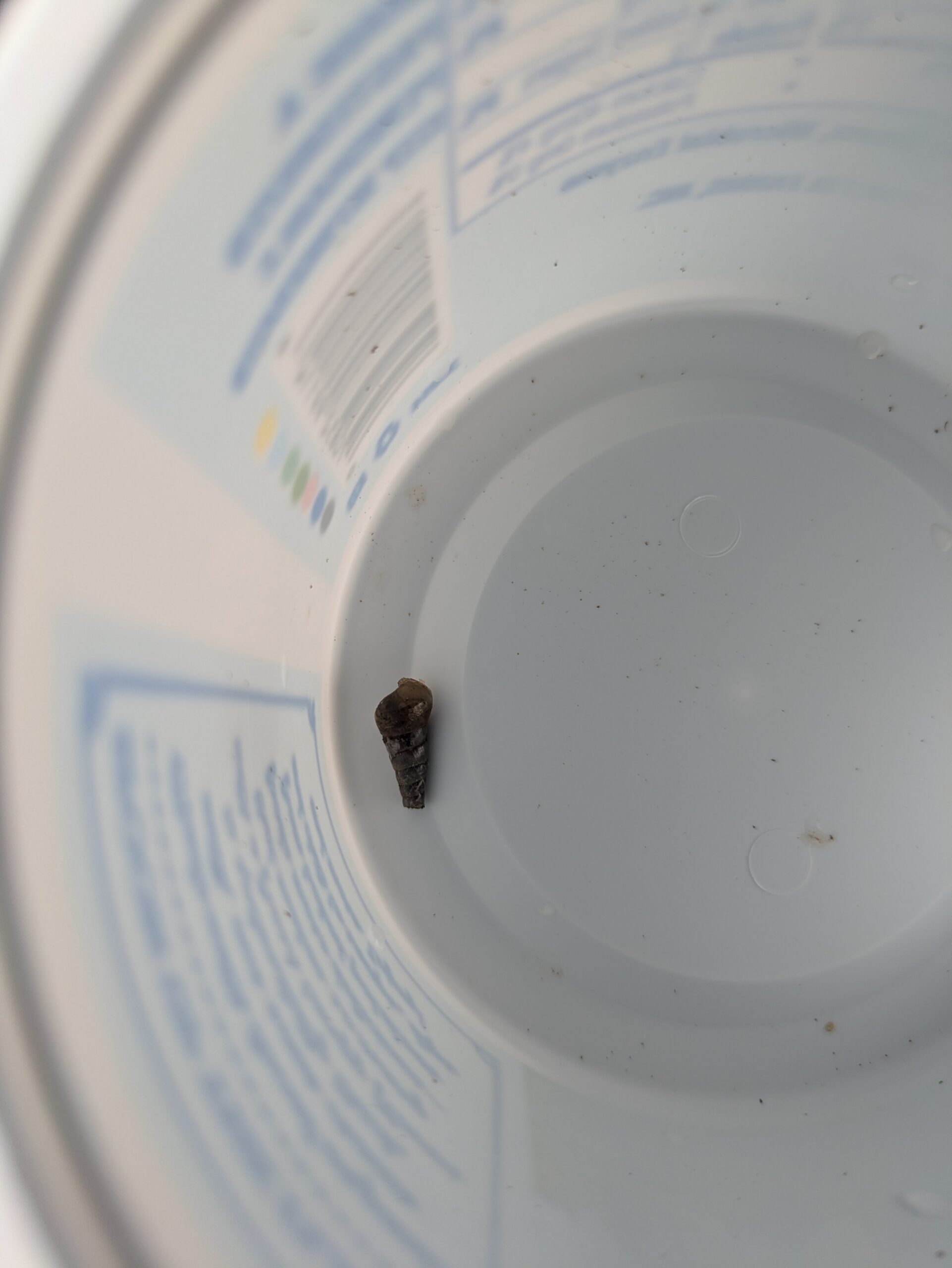
Species Observed