
Our Active Projects
The Wildland-Urban Interface (WUI) is where urban areas connect with wild areas. Our projects actively involve these places where human-wildlife conflicts reach an all time high. The goal of these projects is to support nature and better understand conflicts that can arise when people, pets, and wildlife meet. With increasing issues involving habitat fragmentation, providing wildlife habitat in urban areas using native plants can provide some wildlife with a path through otherwise uninhabitable areas. These efforts must also be supplemented with habitat restoration in surrounding wild areas.
Level 1: Native Gardens & Urban Spaces
These carefully created habitats are close to properties. They can be optimized for safety and impact for wildlife by acting as educational buffer zones.
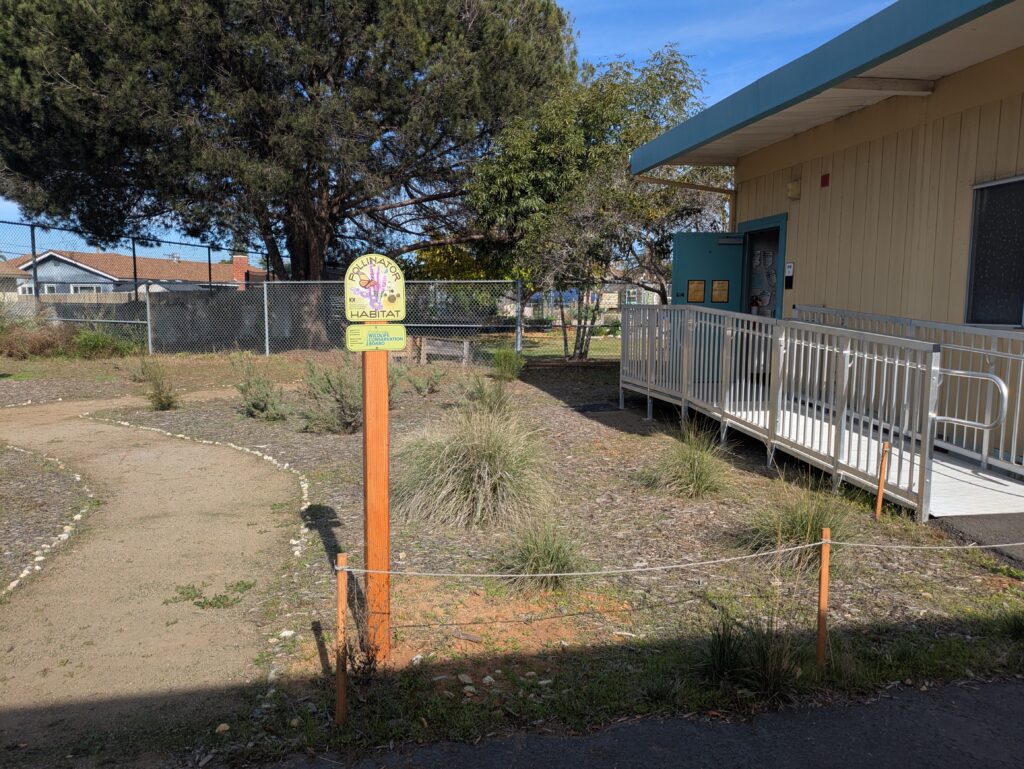
Mt. Everest Academy Native Garden
The Mt. Everest Academy Native Garden is a permanent natural, outdoor area on campus to educate students and provide habitat for local wildlife.
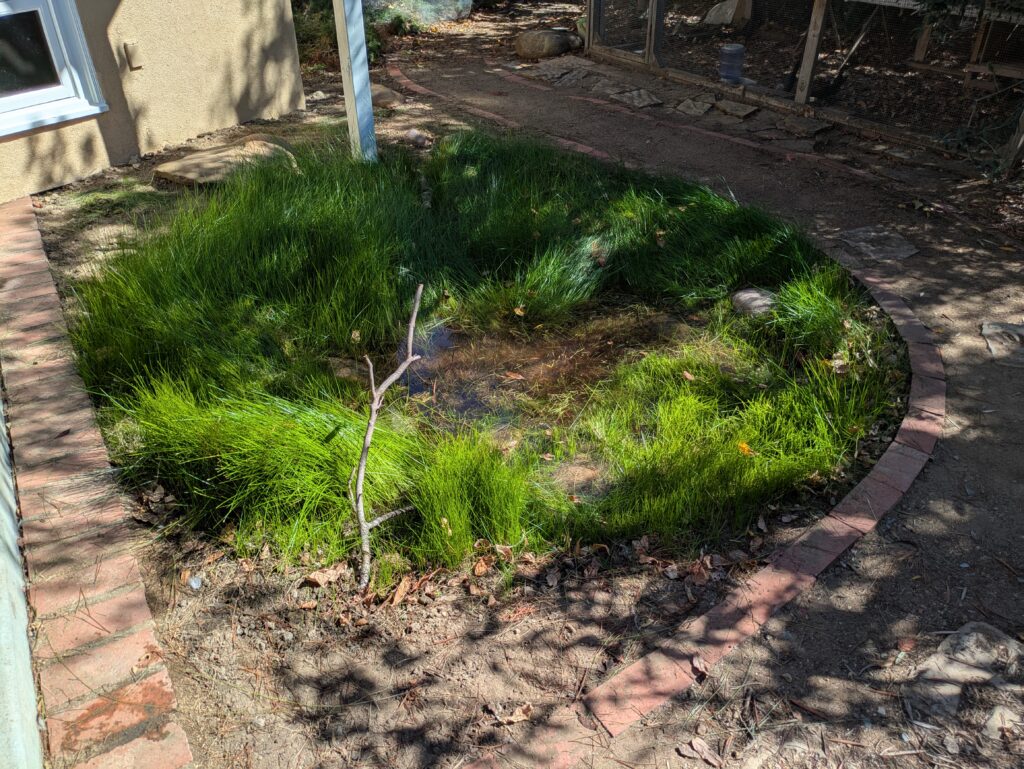
Backyard Wildlife Pond
The backyard wildlife pond is a man-made naturalistic pond that is designed to support various species of wildlife.
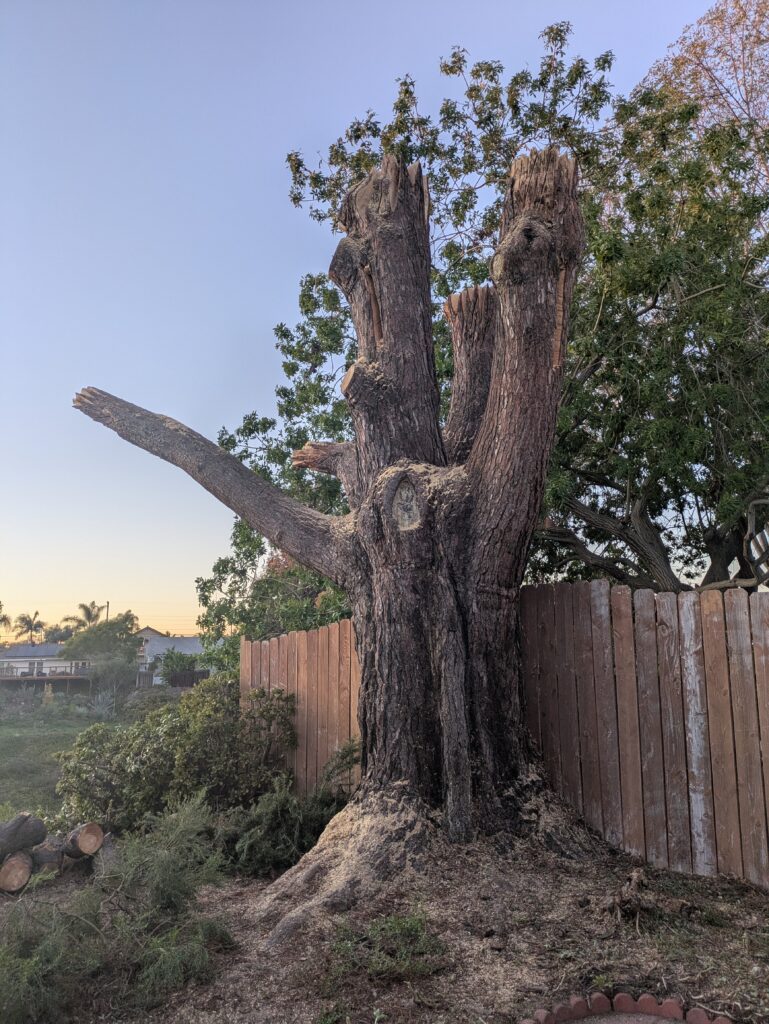
Wildlife Tree
A 16 foot pine tree snag intentionally cut to provide food and habitat for a variety of wildlife.
Wildlife Logs
Thick pine tree logs half buried underground.
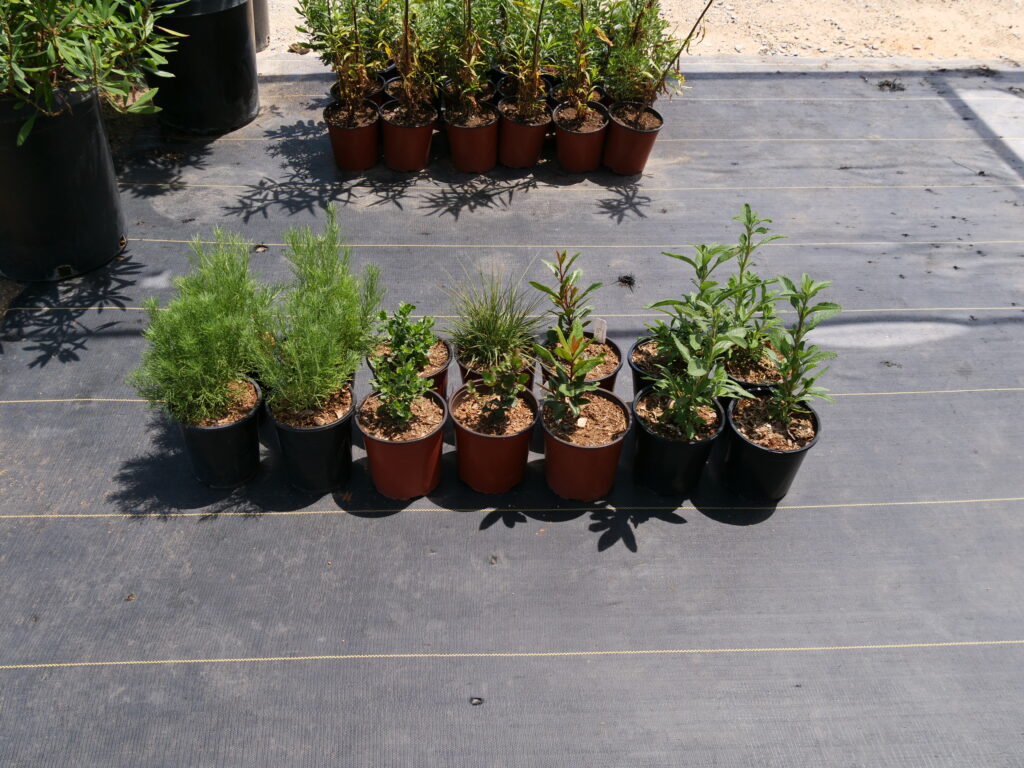
Native Gardens
A native garden can be placed anywhere on a property and provides habitat and food for wildlife.
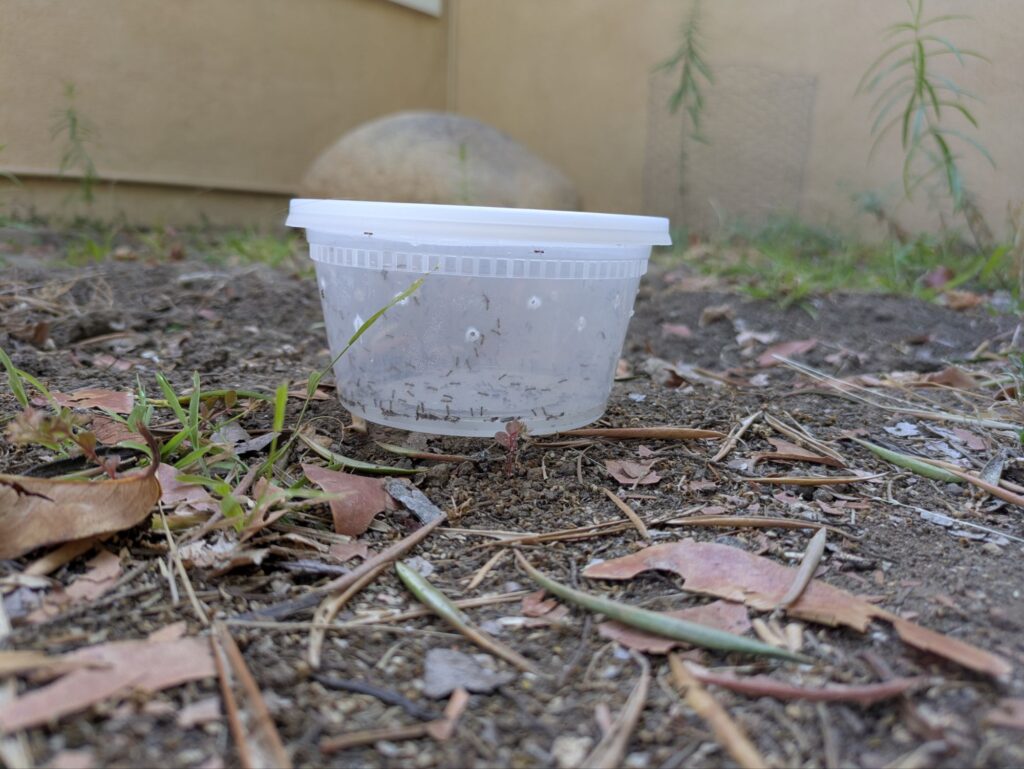
Invasive Ant Suppression
Level 2: Wild Protected Areas
Ideally, these are areas that provide wildlife with minimal human disturbance. When these areas are located close to urban areas, human disturbance is inevitable. These areas have likely been affected by historical human disturbances (invasive species, damaged habitat, altered terrains). Habitat restoration focuses on improving the quality of the habitat in these areas in order to better support more biodiversity.
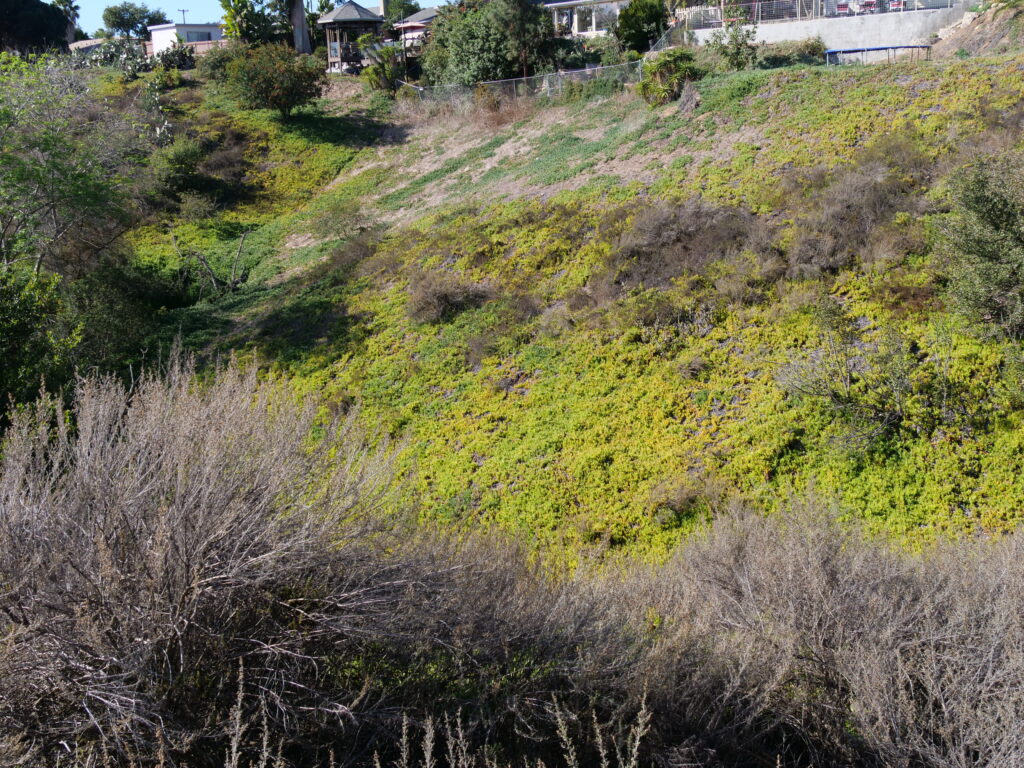
Tecolote Canyon Habitat Restoration
Ice plants are incredibly invasive within the Tecolote Canyon, and their removal is crucial for restoration efforts. Past techniques involved hand pulling, but new solarization techniques will be implemented Summer 2026.